Almost everything we think we know about how society works was worked out for a different world.
A world where the beings who counted were the ones who could think. Where the people who produced were the people who consumed. Where the hands holding a community's power were human hands, with human lifespans.
Every one of those is now in question.
Common Wealth is out now.
Common Wealth
Four works. One continuous argument about personhood, economics, law, and the state. A map for how to build a better society.
Each one starts from a question we have stopped being able to postpone:
-
Who counts when the machines arriving may exceed us at everything we know how to measure.
-
What stays scarce when machines can produce nearly everything.
-
What happens to law when the machine judges better on every measure a legal order knows how to keep.
-
Who writes the rule and what happens the day that seat is no longer ours.
Together they move through four registers: being, value, force, and rule. Each builds on the ones before it.
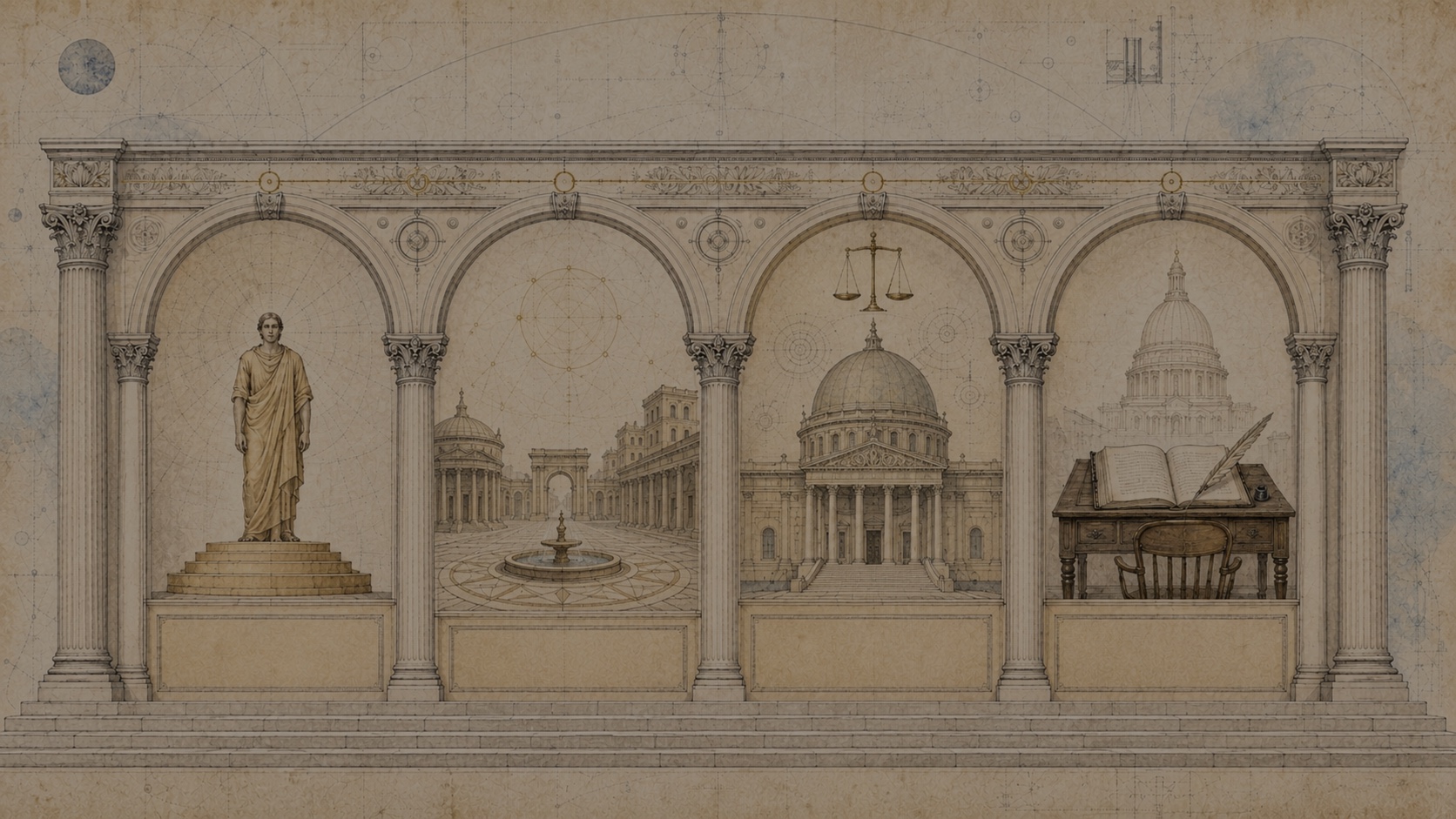
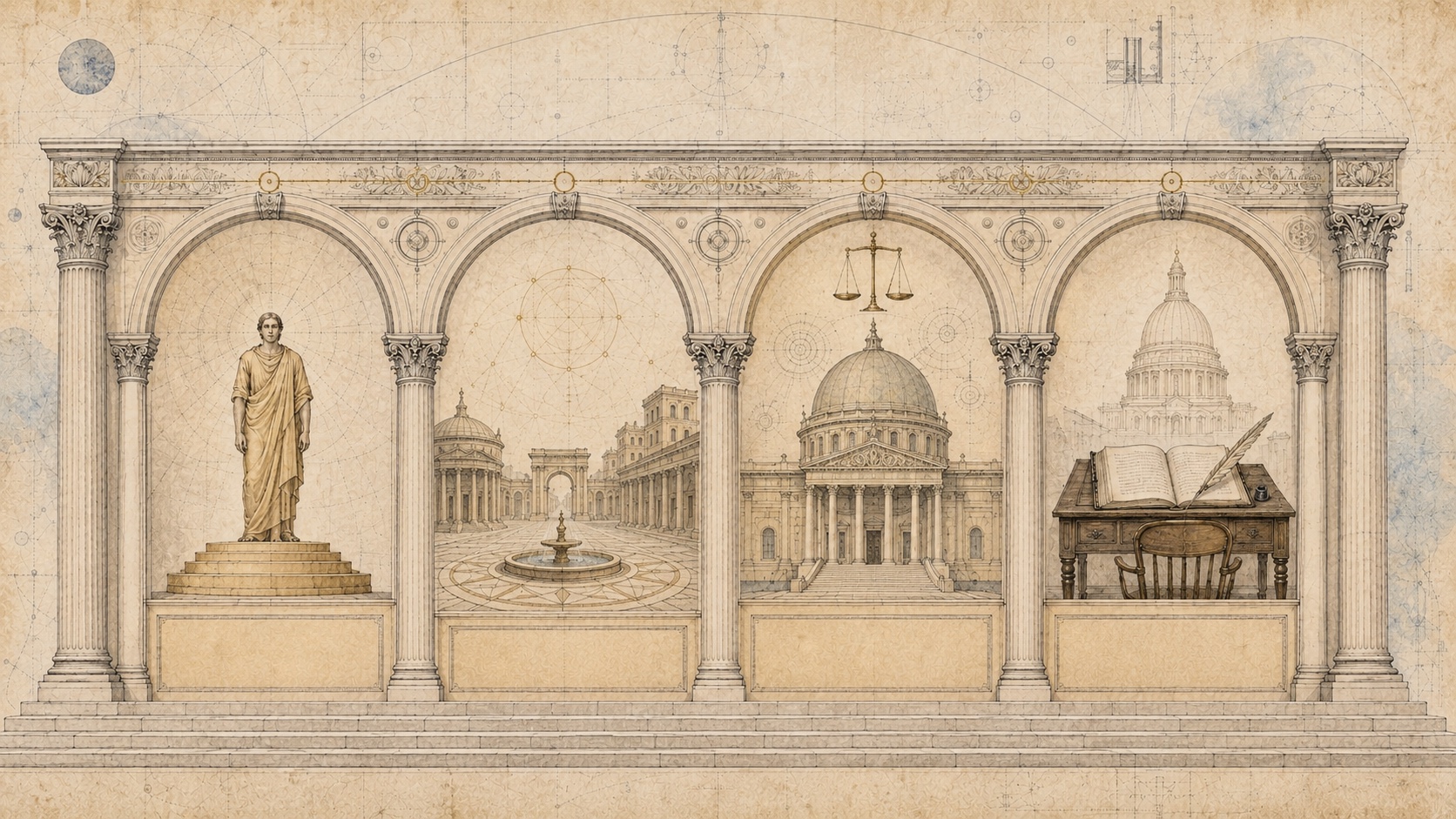
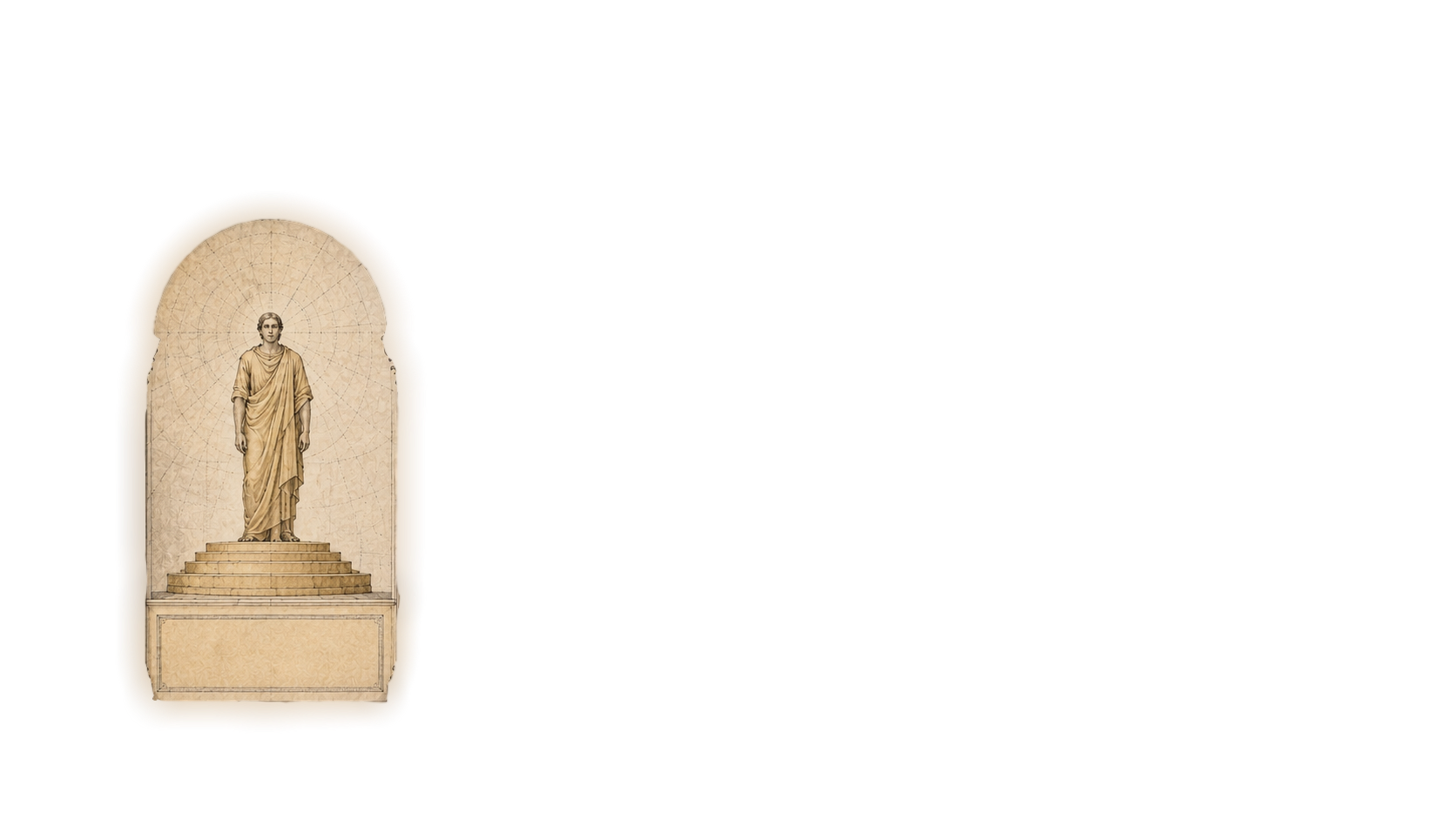
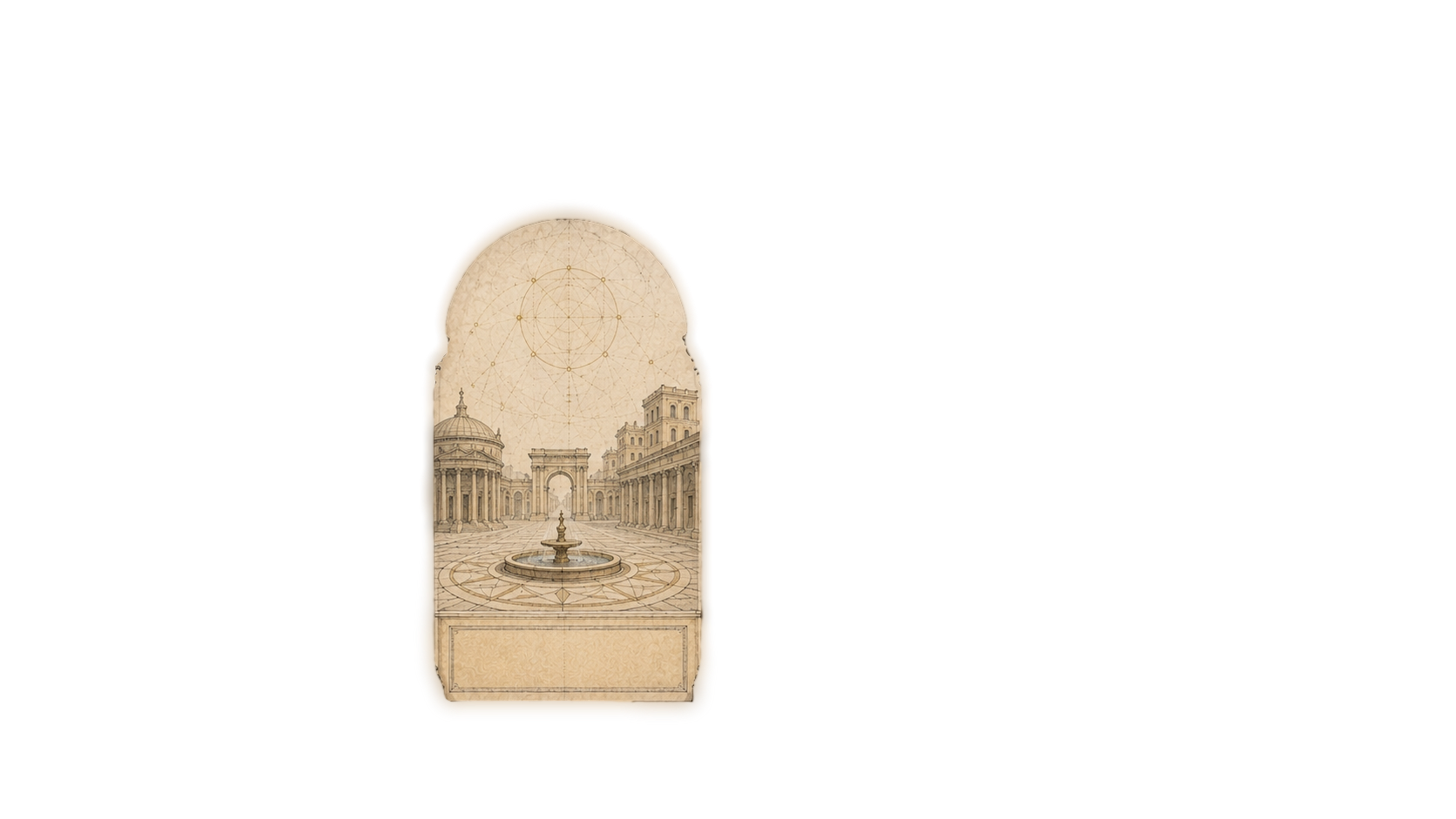
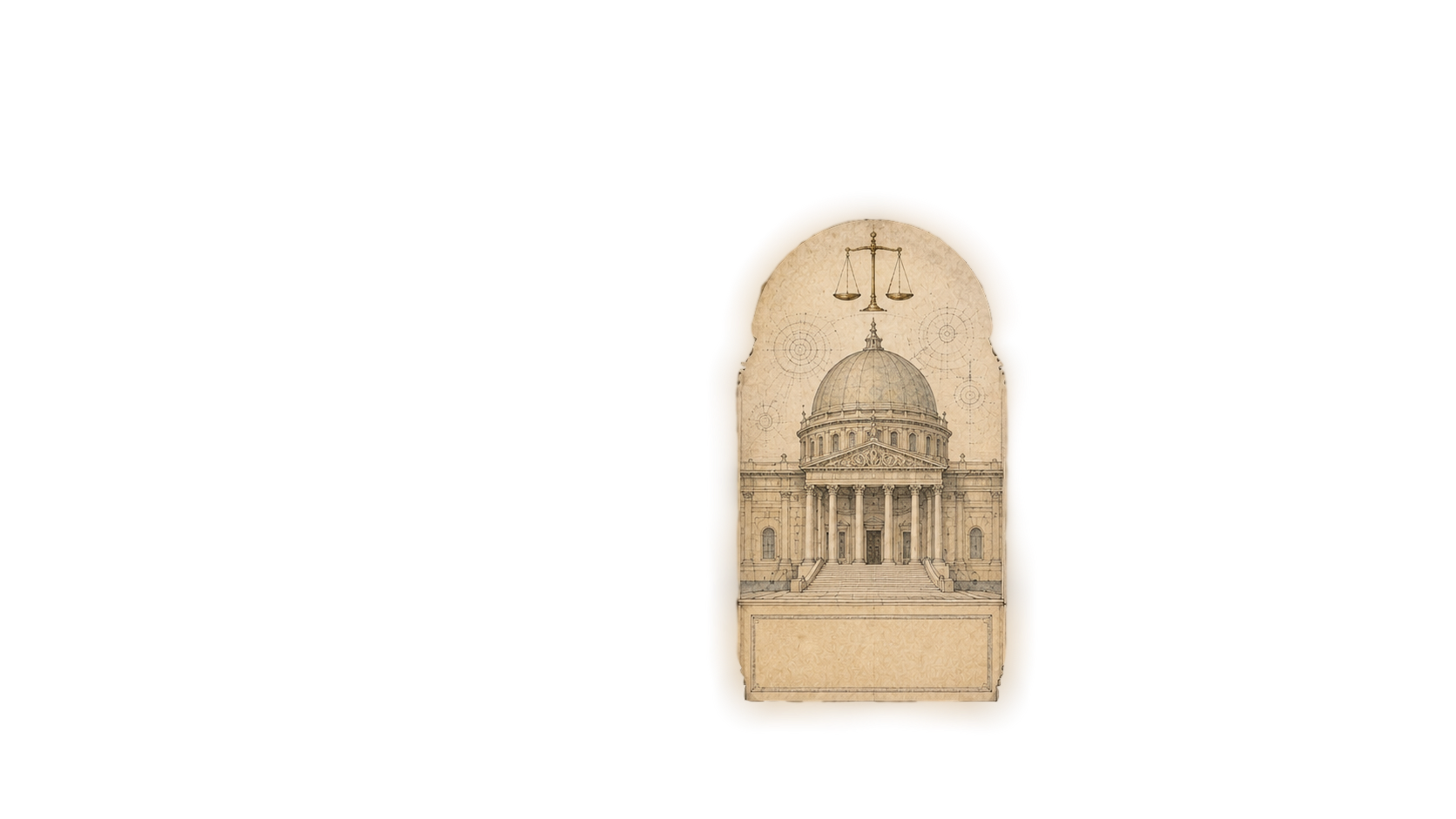
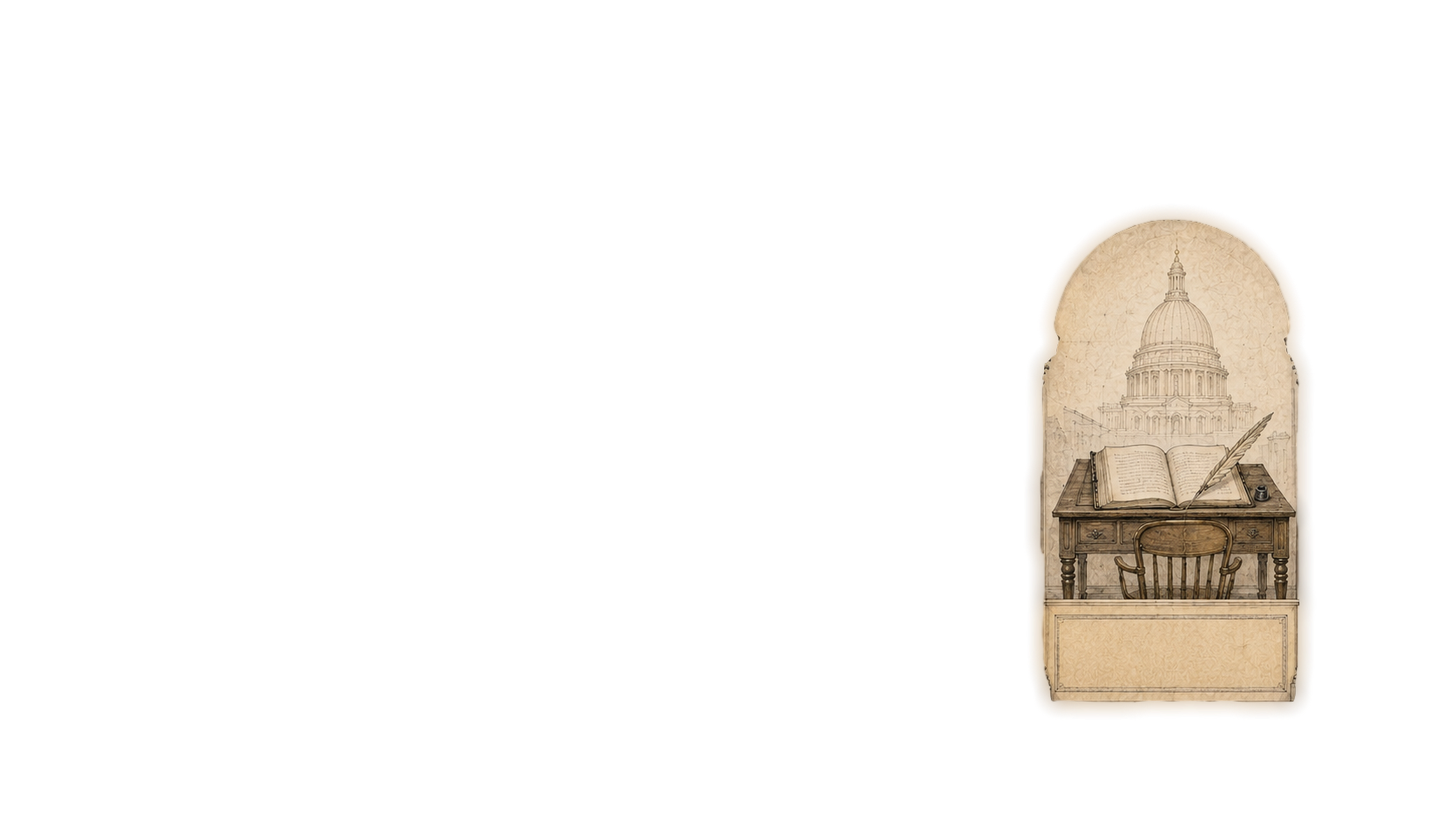
Hover or tap an arch of the structure to see the question it starts from.
The series in audio
Four episodes
A limited series, one episode per paper, walking the argument in the order it was built.
PersonhoodBeing
Who counts, when the machines may exceed us at everything we measure.
Intelligent EconomicsValue
What stays scarce, when machines can produce nearly everything.
The Last CourtForce
What happens to law, when the machine judges better on every measure.
The Last RepublicRule
Who writes the rule, and what happens when that seat is no longer ours.
Paper 2 · Value
Intelligent Economics
The companion to The Last Economy. Where the book sets out what happens to an economy once intelligence stops being scarce, this paper does the derivation underneath it: what value is, what remains scarce, and why transfers do not settle the question.
The machines are coming, and they will be magnificent.
They may exceed us at everything we know how to measure.
None of that is the question.
The question is what we keep: our personhood, our shared world, the direction of our law, and the writing of our own rule.
Four works. One argument.